01
Feed Preparation
Iron ore pellets or other suitable iron-bearing feed are prepared to meet the requirements of the selected reduction process.

NSCL · Ironmaking Solutions
Explore Hot Direct Reduced Iron (HDRI), a metallic iron material produced through direct reduction and handled at elevated temperatures for suitable downstream steelmaking operations.
Product Overview
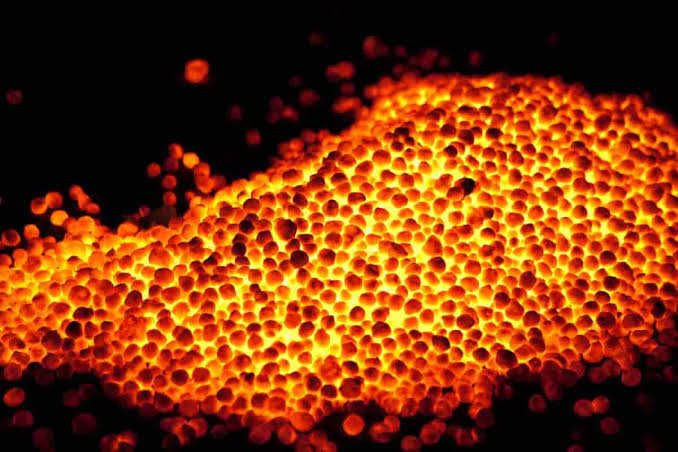
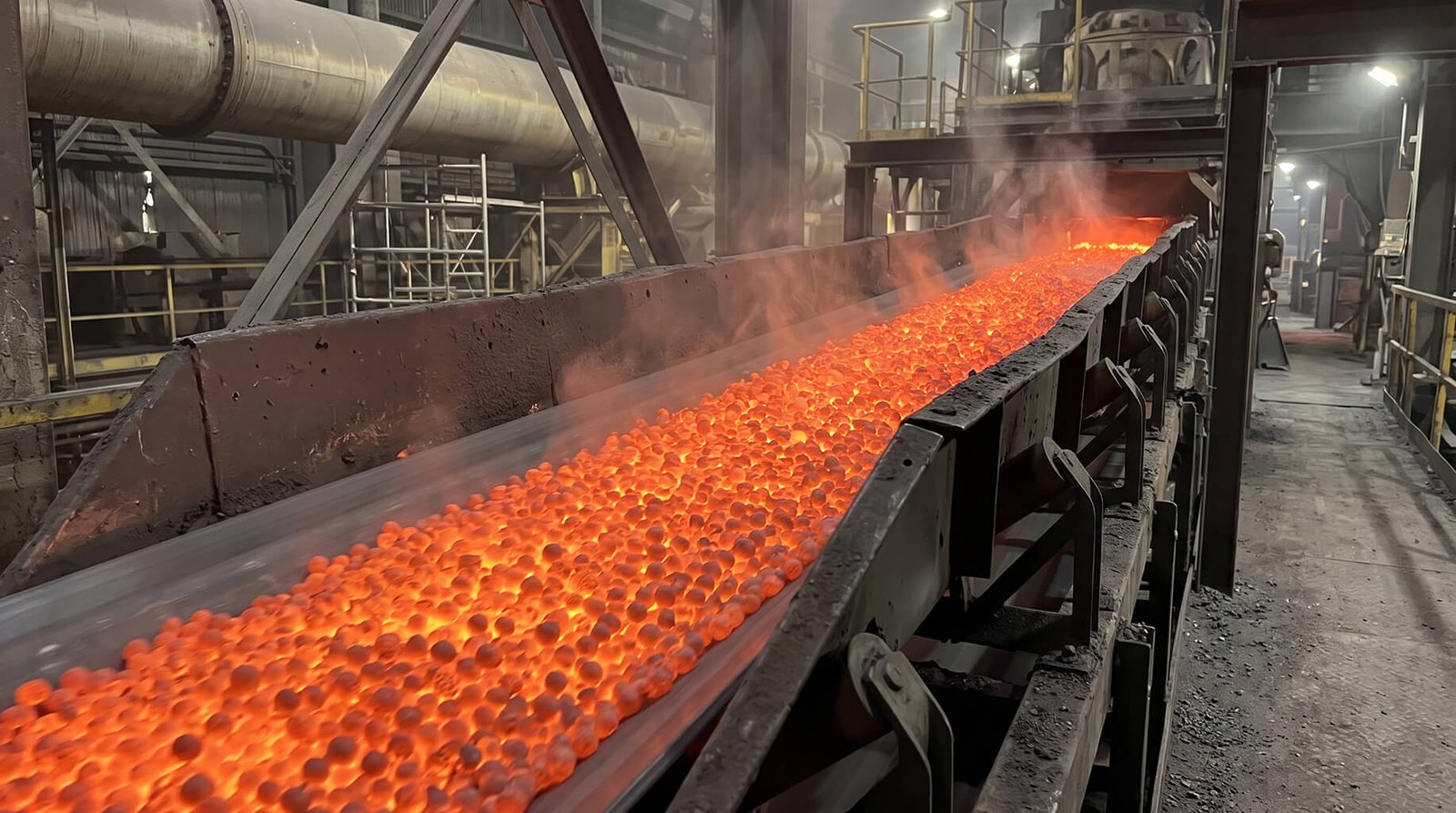
Hot Direct Reduced Iron is produced when iron-bearing material is reduced in the solid state and discharged from the reduction process at an elevated temperature. Unlike cold DRI, HDRI retains substantial process heat when transferred to compatible downstream equipment.
Its use depends on the plant configuration, material characteristics, transfer distance, safety systems and the receiving steelmaking process. Correct process integration is essential for effective operation.
Production Process
The general production route involves preparing the feed material, reducing the iron oxides and transferring the resulting metallic product under controlled operating conditions.
Iron ore pellets or other suitable iron-bearing feed are prepared to meet the requirements of the selected reduction process.
A reducing gas removes oxygen from the iron oxides under controlled process conditions, producing solid reduced iron.
The hot product is transferred using equipment and procedures designed for its temperature, process route and destination.
Material Characteristics
Product quality and handling requirements depend on the reduction technology, feedstock and operating conditions. Confirm actual values against the relevant technical data sheet.
The metallic iron content is an important indicator of the material's suitability for its intended steelmaking application.
Metallization describes the proportion of iron present in metallic form relative to total iron in the material.
Remaining iron oxides and associated gangue influence material chemistry and process performance.
The temperature at discharge and delivery is relevant to equipment design, charging strategy and operational safety.
Particle size, fines generation and material consistency should be assessed against the intended handling and charging system.
Effective use depends on matching product properties with the receiving furnace, transfer route and operating requirements.
Applications
HDRI can be considered for steelmaking routes designed to receive hot reduced iron. The practical benefits and operating approach depend on the individual facility and its process configuration.
Hot DRI may be charged to compatible electric arc furnace systems where suitable transfer and charging infrastructure exists.
Integrated process layouts can transfer material while retaining useful sensible heat, subject to the plant design.
HDRI may form part of an integrated direct-reduction and steelmaking route with appropriate process controls.
Explore More
Explore other direct-reduction products and processes in the NSCL product range.