
01
Metallic Iron
CDRI contains metallic iron created by removing oxygen from iron oxide during direct reduction.
Cold Direct Reduced Iron is a solid metallic iron product obtained by cooling direct reduced iron after the reduction process. Explore its characteristics, handling requirements and role in modern steelmaking.
Cold Direct Reduced Iron (CDRI) is produced when direct reduced iron is cooled before subsequent handling or use. The material retains its metallic iron value and can serve as a charge material for suitable steelmaking processes.
Its suitability for a specific application depends on the material's chemical and physical properties, the customer's furnace configuration and the intended operating practice.
Understanding the material's properties helps steelmakers determine its suitability for their process. Actual values should be taken from NSCL's approved product data sheet.
CDRI contains metallic iron created by removing oxygen from iron oxide during direct reduction.
The metallic iron fraction is an important indicator used when evaluating direct reduced iron quality.
Cooling supports subsequent handling and use in applications designed for cold DRI charging.
Total iron, residual oxides and gangue constituents affect how the material performs in steelmaking.
Particle size, fines content and bulk handling behaviour are relevant to transport and furnace charging.
Appropriate procedures are needed to manage reoxidation, moisture exposure and potential self-heating risks.
Direct reduced iron requires careful handling because its behaviour differs from that of fully oxidised iron ore. Storage and transport procedures should follow the material's safety documentation and applicable industry requirements.
Follow approved storage procedures to manage moisture, exposure and product condition.
Use suitable equipment and handling procedures designed for the material's physical characteristics.
Check relevant inspection records and product specifications before accepting or charging material.
Follow the supplier's safety data, site procedures and applicable transport requirements.
Cold DRI can be used where its product characteristics are compatible with the selected steelmaking route and operating requirements.
Can be charged as a metallic iron source in suitable electric arc furnace operations.
May be combined with other metallic charge materials according to the steelmaker's requirements.
Provides an alternative source of iron units when product quality matches the intended steelmaking process.
Explore More
Explore other direct-reduction products and processes in the NSCL product range.

Technology
Understand the direct-reduction process and its role in ironmaking.
Explore Technology ↗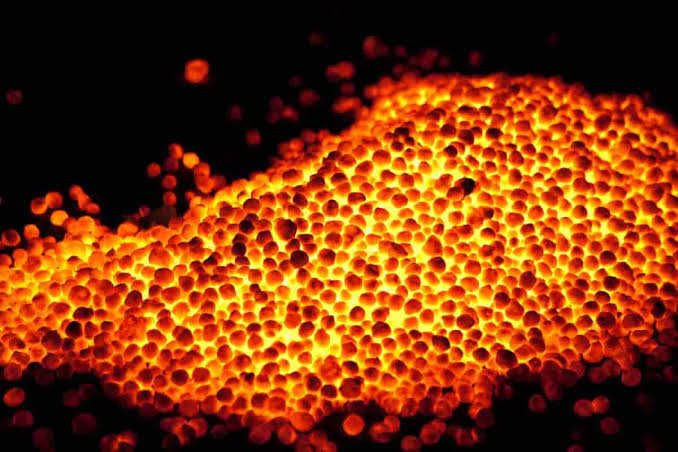
Product
Explore direct reduced iron transferred hot for compatible integrated processes.
Explore Hot DRI ↗
Product
Learn about cooled direct reduced iron and its handling considerations.
Explore Cold DRI ↗Connect With NSCL
Contact the NSCL team to discuss your requirements, request further information and learn how our products, technologies and capabilities can support your project.